

Professional kitchens are bustling environments where efficiency, hygiene, and quality control are paramount. In such settings, equipment like the Cajun fryer plays a crucial role in delivering consistent and delicious results. However, to maintain optimal performance and ensure food safety, regular cleaning of this equipment is essential. The process for scheduling and executing cleaning procedures for a Cajun fryer involves several key steps that professional kitchens must adhere to.
Firstly, it is important to establish a routine cleaning schedule tailored to the specific needs of the kitchen’s operations. This schedule should take into account the frequency of use and the type of food being prepared in the fryer. High-volume establishments or those specializing in fried foods may require daily cleanings, while others might manage with less frequent maintenance. Regardless of frequency, consistency is vital to prevent grease buildup that can affect both taste and safety.
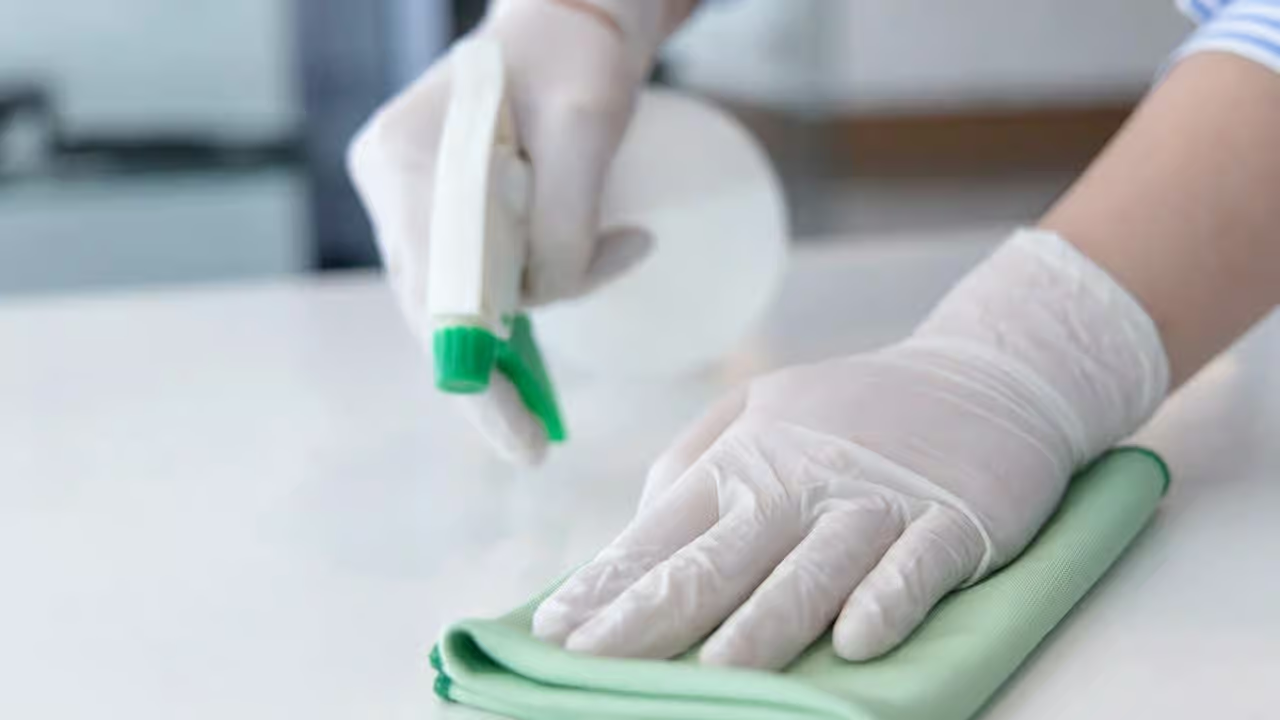
The initial step in Cleaning Cajun fryer involves turning off the appliance and allowing it to cool down sufficiently. Safety precautions must be observed at all times; thus, wearing protective gloves is advisable when handling hot surfaces or caustic cleaning agents. Once cooled, any remaining oil should be drained completely from the fryer’s reservoir into an appropriate waste container designed for oil disposal.
Next comes disassembly: removable parts such as baskets, lids, and heating elements need careful removal according to manufacturer guidelines. These components require thorough scrubbing using warm water mixed with a degreasing solution suitable for kitchen appliances. A non-abrasive brush or sponge ensures effective removal of stubborn residues without damaging surfaces.
Attention then turns towards addressing internal areas where oil accumulates over time—particularly burners or heating tubes—which necessitate gentle yet persistent scrubbing techniques using specialized tools provided by manufacturers specifically designed not only protect but also extend longevity through proper care practices during every wash cycle performed on them regularly throughout their lifespan within busy commercial setups worldwide today!
Afterwards rinse everything meticulously under running tap water ensuring no traces remain before drying each piece individually either air-drying naturally overnight if possible otherwise employing lint-free towels expedite process efficiently enough ready reassemble immediately following morning shift begins anew again seamlessly continuing uninterrupted service delivery customers expect deserve alike!
Lastly don’t forget exterior surfaces requiring periodic wiping down too given how easily they attract grime fingerprints amidst hustle bustle everyday activities surrounding area nearby stations involved preparing meals simultaneously creating potential cross-contamination risks otherwise overlooked inadvertently leading unforeseen complications later stages production chain potentially jeopardizing entire operation ultimately affecting bottom line adversely impacting reputation long-term viability business itself!