

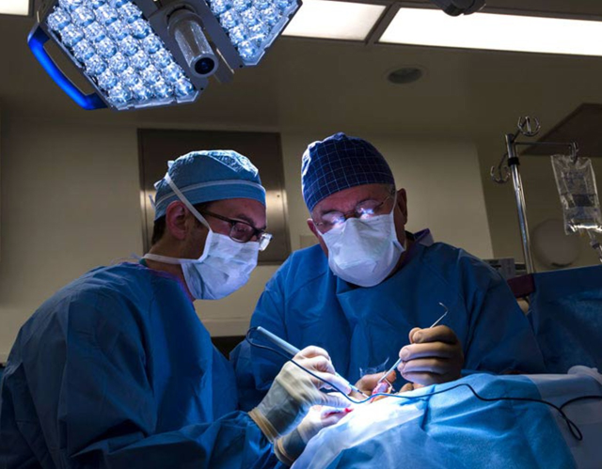
Skull base surgery is one of the most complex procedures performed in modern medicine. The skull base is located at the bottom of the skull and contains numerous critical structures, including the brain, cranial nerves, major blood vessels, sinuses, eyes, and ears. Because of the delicate anatomy involved, thorough pre-operative evaluation is essential to ensure surgical precision and patient safety.
Patients preparing for skull base surgery in Vadodara often undergo a series of advanced imaging studies and diagnostic assessments before their procedure. These evaluations help surgeons understand the exact location, size, and extent of the condition while identifying important anatomical structures that must be preserved during surgery.
Seeking care from the best ENT clinic in Vadodara can provide access to comprehensive diagnostic facilities and multidisciplinary expertise. Accurate imaging and diagnostics form the foundation of successful treatment planning and can significantly influence surgical outcomes.
Why Imaging Is Essential Before Skull Base Surgery
The skull base contains some of the most intricate and densely packed anatomical structures in the human body. Direct visualization of these areas is often limited, making imaging studies indispensable for diagnosis and surgical planning.
Advanced imaging allows surgeons to:
- Determine the precise location of the abnormality.
- Assess its size and boundaries.
- Evaluate involvement of nearby nerves and blood vessels.
- Identify potential surgical risks.
- Choose the safest surgical approach.
Without comprehensive imaging, it would be difficult to develop an accurate surgical roadmap. Modern imaging technology provides detailed information that enhances precision and reduces complications.
In many cases, surgeons rely heavily on imaging findings throughout both the planning and execution phases of skull base surgery.
Computed Tomography (CT) Scans
Computed Tomography, commonly known as a CT scan, is one of the most frequently used imaging tools before skull base surgery.
CT scans provide highly detailed images of bony structures, making them particularly useful for evaluating:
- Bone erosion
- Fractures
- Sinus anatomy
- Skull base defects
- Tumor involvement of bone
Because skull base procedures often involve navigating through narrow spaces surrounded by critical structures, CT imaging helps surgeons understand the precise anatomy of the region.
A patient with a skull base tumor extending into surrounding bone may require detailed CT imaging to determine the extent of bone involvement. This information directly influences the surgical strategy.
CT scans are typically quick, widely available, and highly effective for assessing the structural framework of the skull base.
Magnetic Resonance Imaging (MRI)
While CT scans excel at visualizing bone, Magnetic Resonance Imaging (MRI) provides superior visualization of soft tissues.
MRI plays a vital role in evaluating:
- Brain tissue
- Cranial nerves
- Tumors
- Blood vessels
- Inflammatory conditions
- Pituitary gland abnormalities
The detailed soft tissue contrast offered by MRI helps surgeons understand how a lesion interacts with nearby structures.
For example, if a tumor is located close to the optic nerve or brainstem, MRI can provide critical information regarding compression, displacement, or invasion of these structures.
Many patients undergo both CT and MRI scans because the two imaging modalities complement each other. Together, they provide a comprehensive picture of the condition and surrounding anatomy.
Advanced Imaging Techniques and Navigation Planning
Modern skull base surgery increasingly relies on advanced imaging technologies that extend beyond standard CT and MRI studies.
These may include:
- CT angiography (CTA)
- MR angiography (MRA)
- Functional MRI (fMRI)
- Diffusion tensor imaging (DTI)
- Three-dimensional reconstruction imaging
Angiographic studies are particularly useful when abnormalities involve major blood vessels. They help surgeons understand vascular anatomy and reduce the risk of intraoperative bleeding.
Three-dimensional reconstruction technology allows surgical teams to create detailed anatomical models that improve pre-operative planning.
In many centers, imaging data is integrated into computer-assisted navigation systems. These systems function similarly to a GPS, helping surgeons navigate complex anatomy with exceptional accuracy during the procedure.
Such technological advancements have significantly improved safety and precision in skull base surgery.
Endoscopic and Nasal Evaluations
In addition to radiological imaging, endoscopic examinations are often performed before surgery.
A nasal endoscopy allows specialists to examine the nasal passages, sinuses, and areas leading to the skull base using a thin, flexible camera.
This evaluation helps identify:
- Nasal obstruction
- Sinus disease
- Anatomical variations
- Tumor extension into nasal structures
- Potential surgical access pathways
Endoscopic assessment is especially important when minimally invasive endonasal approaches are being considered.
Patients are often surprised by how much valuable information can be obtained through this relatively simple office-based procedure.
The findings from nasal endoscopy frequently complement CT and MRI results, providing a more complete understanding of the condition.
Laboratory and Functional Testing
Imaging studies are only one component of the pre-operative evaluation process.
Depending on the underlying condition, additional laboratory tests and functional assessments may be required.
Common evaluations may include:
- Blood tests
- Hormonal studies
- Vision assessments
- Hearing evaluations
- Neurological examinations
- Endocrine testing
For example, patients with pituitary tumors often undergo extensive hormonal evaluation to determine how the tumor is affecting gland function.
Similarly, patients with lesions near the auditory pathways may require hearing tests to establish a baseline before surgery.
These assessments help healthcare providers understand the patient’s overall health status and anticipate any special considerations during treatment.
Multidisciplinary Review and Surgical Planning
Once imaging and diagnostic studies are completed, the results are typically reviewed by a multidisciplinary team.
This team may include:
- ENT surgeons
- Neurosurgeons
- Radiologists
- Neurologists
- Endocrinologists
- Ophthalmologists
- Audiologists
Each specialist contributes valuable insights that help optimize treatment planning.
During this stage, surgeons carefully review imaging findings, discuss potential risks, determine the most appropriate surgical approach, and develop individualized treatment plans.
A collaborative approach ensures that all aspects of the patient’s condition are considered before surgery.
Many patients feel reassured when they learn that multiple experts are involved in reviewing their case and planning the safest possible treatment strategy.
How Imaging Improves Surgical Outcomes
The quality and accuracy of pre-operative imaging have a direct impact on surgical success.
Comprehensive imaging helps surgeons:
- Avoid critical structures.
- Minimize surgical complications.
- Reduce operative time.
- Improve tumor removal rates.
- Enhance preservation of neurological function.
- Support faster recovery.
A surgeon entering the operating room with detailed anatomical knowledge is better equipped to make informed decisions throughout the procedure.
Advances in imaging technology have transformed skull base surgery over the past few decades, allowing many conditions to be treated more safely and effectively than ever before.
As imaging capabilities continue to evolve, surgical precision and patient outcomes are expected to improve even further.
Conclusion
Imaging and diagnostic evaluations are fundamental components of successful skull base surgery. Because the skull base contains some of the body’s most complex and delicate anatomical structures, detailed assessment is essential before any surgical intervention.
CT scans, MRI studies, advanced vascular imaging, endoscopic examinations, laboratory testing, and multidisciplinary review all contribute valuable information that guides treatment planning. Together, these tools help surgeons understand the condition in detail, identify potential risks, and select the safest and most effective surgical approach.